
In the earliest years of life, children build the foundations for how they think, feel, and learn. For families in Alexandria, selecting the right environment can transform daily routines into meaningful stepping-stones toward lifelong success. A high-quality early learning experience blends joyful exploration with purposeful guidance, helping children develop language, problem-solving, empathy, and independence. If the goal is to nurture curiosity while preparing for kindergarten and beyond, it pays to understand what truly sets an exceptional program apart—especially in a city known for its active neighborhoods, engaged families, and rich community resources.
The right choice is more than a safe space—it’s a place where children feel seen, supported, and challenged. Below is a deep dive into what to look for, how play-based learning drives school readiness, and which practical factors matter most to Alexandria families balancing commutes, schedules, and community involvement.
What Sets a High-Quality Early Learning Center in Alexandria Apart
The hallmark of a standout program is a developmentally appropriate, play-based approach. Children engage best when they can move, build, sing, question, and discover at their own pace. Through guided play, educators introduce early literacy, math, science, and social skills in ways that feel natural. For example, sorting seashells by size becomes a math lesson; dictating a story after dramatic play becomes literacy practice; building a bridge from blocks introduces early engineering. In a strong program, play is purposeful—not an afterthought—and educators are intentional about the experiences they design each day.
Teacher quality is another essential factor. Look for centers that prioritize experienced, credentialed educators who understand child development and practice responsive caregiving. Warm, consistent relationships help children feel secure enough to explore. Observe teacher-child interactions: Do educators kneel to make eye contact? Do they ask open-ended questions? Do they encourage collaboration and celebrate effort? The most effective teachers blend structure with flexibility, ensuring each child’s unique strengths are recognized and supported.
A thoughtfully prepared environment signals excellence. Classrooms should be well-organized and sensory-rich, with areas dedicated to art, building, language, science, and quiet reflection. Materials are accessible and rotated regularly to spark fresh curiosity. Outdoor spaces matter, too—children deserve daily time to climb, dig, run, and experience the seasons. When the weather cooperates, high-quality programs extend learning into nearby community spaces, connecting children to the rhythms and resources of Alexandria.
Family partnership is another marker of quality. Expect frequent communication about your child’s progress through daily updates, photos, or quick touchpoints at pick-up and drop-off. Strong programs invite families into the learning process with workshops, volunteer opportunities, and celebrations that honor each child’s cultural identity. Ongoing observation and assessment help educators tailor goals to each child and share tangible growth over time—whether that’s newfound confidence in circle time or mastery of early phonological awareness.
Finally, a top-tier program prioritizes safety and well-being. Clear health protocols, secure entries, trained staff, and well-documented emergency plans ensure peace of mind. When safety, warm relationships, and purposeful play align, children thrive academically, socially, and emotionally in an early learning setting designed for the whole child.
Play-Based Learning and School Readiness: How Young Children Learn Best
School readiness is far more than reciting the alphabet or counting to 20. True readiness encompasses self-regulation, problem-solving, language development, motor skills, and social-emotional competencies. In a high-quality program, play-based learning weaves these domains together in experiences that feel like adventure. Instead of drilling concepts, teachers create provocations—inviting setups that encourage children to experiment, hypothesize, and collaborate.
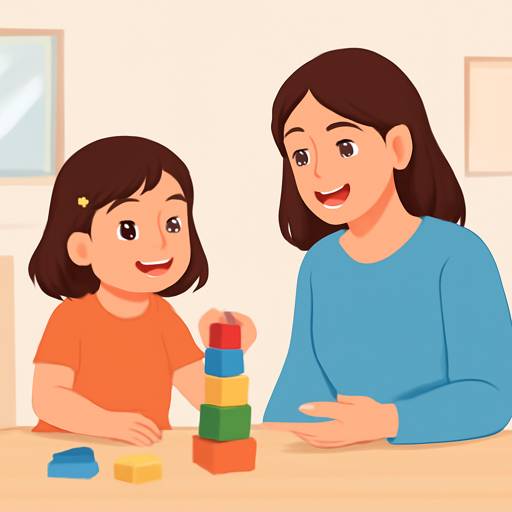
Consider a water table exploration. As children measure and pour, they practice early math (volume, comparison), science (cause and effect), and language (describing actions and outcomes). When two children want the same funnel, a teacher coaches them through turn-taking and negotiation, building conflict-resolution skills vital for classroom life. In an art studio, children mixing colors learn cause and effect while strengthening fine motor control—skills that later support handwriting. In a block area, students plan structures, test stability, and revise designs, laying the groundwork for STEM thinking.
Language blossoms in imaginative contexts. During dramatic play, children adopt roles, build narratives, and extend stories over multiple days. Teachers scaffold vocabulary by modeling descriptive language—“I notice your puppet is whispering. What might happen if the dragon wakes up?”—and by introducing rich texts connected to children’s interests. Songs, rhymes, and read-alouds deepen phonological awareness, while open-ended questions invite children to express ideas in complete sentences, a key component of later reading comprehension.
A brief case example: A four-year-old who initially avoids group activities becomes the “meteorologist” during morning meeting, choosing weather symbols and reporting on the day. Over several weeks, this role nurtures confidence, expressive language, and number sense (counting sunny days vs. rainy days). With consistent encouragement, the child transitions from solitary play to cooperative projects—an example of how thoughtful play builds academic and social readiness simultaneously.
Crucially, a play-based model adapts to each child’s pace. Educators differentiate by offering varied materials and levels of challenge. Bilingual learners might receive picture cues and gestures alongside speech, ensuring comprehension while honoring home languages. Children with advanced interests—say, in insects—explore deeper investigations, cataloging observations and presenting findings to peers. The result is a dynamic classroom where readiness is not a checklist but a living, joyful progression.
Practical Factors for Alexandria Families: Schedules, Safety, and Community Ties
Beyond philosophy, day-to-day logistics matter. Families in Alexandria often juggle commutes, hybrid work, and extracurriculars, so a reliable schedule is essential. Look for centers that offer flexible options—full-time, part-time, and extended hours—so care aligns with your routine. Clear calendars, advance communication on closures, and predictable rhythms help households plan with confidence. Streamlined drop-off and pick-up procedures, supported by friendly staff, reduce morning stress and create a calm start for children.
Health and safety protocols should be transparent and comprehensive. Seek programs with secure entry systems, routine sanitation practices, trained staff in pediatric first aid, and thoughtful allergy management. A well-defined illness policy protects the whole community, while clear incident reporting ensures parents stay informed. High-quality centers also invest in continuous professional development, from CPR refreshers to training in social-emotional learning and inclusive practices—so staff are prepared for everyday needs and the unexpected alike.
Communication strengthens trust. Many programs share daily snapshots of learning through notes and photos, highlighting how children engaged with materials, peers, and new concepts. Families should receive regular developmental updates that show meaningful progress, not just generalities. Look for two-way communication: opportunities to share home routines, cultural traditions, or goals so teachers can tailor experiences. Family events—literacy nights, art shows, or outdoor play days—create connection, while community outings to local parks, libraries, and seasonal events root learning in the world children inhabit.
Consider a real-world scenario: Two caregivers with alternating shifts need coverage that bridges late afternoons. A center that offers extended hours and clear handoff protocols ensures a smooth transition for the child and consistent communication for both adults. Or imagine a child who adores gardening—an educator might build a small planter project, linking it to counting seeds, predicting growth, and tracking changes, turning a personal interest into cross-curricular learning.
When comparing options, it helps to visit, observe, and ask questions tailored to your family’s priorities. A trusted early learning center in Alexandria will welcome conversations about curriculum, routines, safety, and the ways teachers partner with families. The best fit feels warm yet purposeful, lively yet calm, and consistently responsive to children’s needs. In that environment, curiosity becomes confidence—and every day offers a new opportunity to grow.

Kinshasa blockchain dev sprinting through Brussels’ comic-book scene. Dee decodes DeFi yield farms, Belgian waffle physics, and Afrobeat guitar tablature. He jams with street musicians under art-nouveau arcades and codes smart contracts in tram rides.